risk of falling_banner

How to reduce your risk of falling: 2 simple tests to try at home

pt HealthBalance, fall prevention, Vestibular Rehabilitation

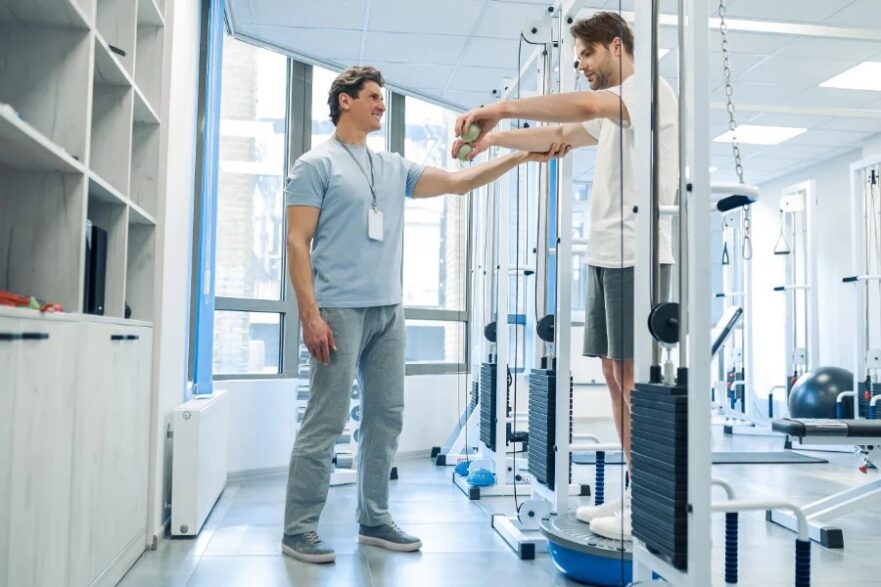
Reaching for a mug on the top shelf, standing up from a low chair, or walking on an icy sidewalk—for older adults, everyday moments like these can carry a higher risk of falling. It’s natural to respond by slowing down—skipping stairs, avoiding walks, and staying seated more often. But this instinct can backfire. Less movement often means less strength and …
Share this Post

What causes ACL injuries? Signs and prevention tips

pt HealthInjury Prevention, Knee pain, Physiotherapy

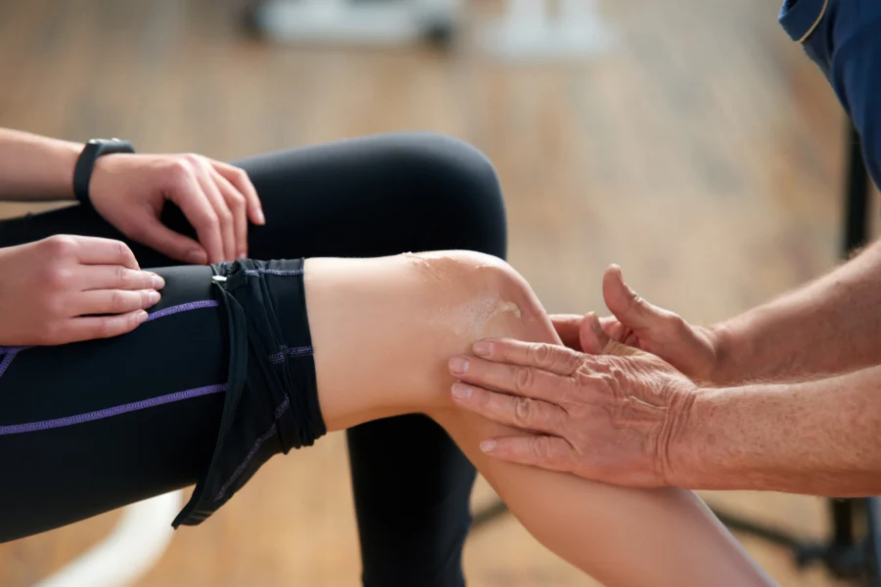
Picture this: you’re back on the soccer field for the first time this season, chasing down a loose ball, when you plant your foot to change direction. Your knee suddenly buckles and you hear a pop. This type of injury could be an ACL injury. Understanding what causes ACL injuries can help you recognize the signs, reduce your risk where …

Share this Post

Can menthol help with knee pain? What to know between physiotherapy visits

pt HealthAcupuncture, Physiotherapy

You’ve been working hard with your physiotherapist and starting to see real progress for your knee pain. But every time you push a little harder—a longer walk, a busier day at work, a return to your favourite sport or activity—the soreness in your knee creeps back in. Between sessions, you want something safe and natural to help manage those knee …

Share this Post

Feeling off after a concussion? 3 ways physiotherapy can help

pt Healthconcussion, Physiotherapy

Concussion symptoms like headache, dizziness, fatigue, and loss of balance often have more than one contributing source. They can be linked to changes in three key systems: the vestibular system, the autonomic nervous system, and the musculoskeletal system. Understanding what each system does can help explain why certain symptoms linger, and how an assessment with a physiotherapist can help support …

Share this Post

7 exercises to help prevent golf injuries and keep you playing

pt HealthPhysiotherapy, Sports Physiotherapy, Stretches

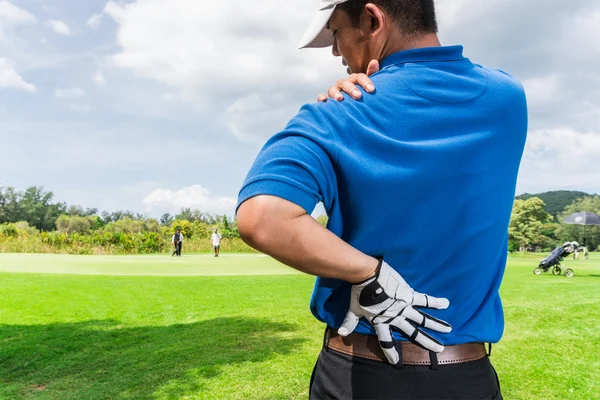
You finally get out to the course after a long week. You’re a few holes in, feeling good—and then your lower back tightens up. Sound familiar? An injury can happen to any player at any level, and they’re more common than most people expect. Targeted exercises can help prevent a golf injury by building strength, mobility, and stability, while reducing …

Share this Post

How do I know if I have a substance use problem?

pt HealthMental Health

Maybe it started as a way to take the edge off—a drink after a long day, something to help you sleep, or a way to get through a hard week. But if you’ve noticed your substance use happening more often, or the thought of cutting back makes you uneasy, it may be time to take a closer look. You’re not …

Share this Post

Can dehydration cause muscle cramps? Here’s what may be going on

pt HealthMassage Therapy, Sports Physiotherapy

It’s been a hot summer. Between morning walks, beach volleyball, and long runs, you’ve been keeping your body busy. You’re stretching after workouts and properly cooling, but those nighttime calf cramps keep coming. You’ve tried a heat pack, massaging the cramp, but it doesn’t help. Dehydration could be the culprit. Dehydration can contribute to muscle cramps, spasms, and slower recovery …

Share this Post

3 exercises for hiking: build strength, balance, and endurance for the trail

pt HealthExercises, Injury Prevention, Physiotherapy

Hiking can be a rewarding way to stay active, but uneven trails, steep climbs, and rocky descents can place extra demands on your legs, ankles, and balance. You might start the day feeling strong, then notice fatigue building as the path shifts from flat ground to rocks, roots, or a steady climb. Those trail demands require muscular strength, stability, balance, …

Share this Post

4 physiotherapist-approved self-care activities to support recovery

pt HealthPhysiotherapy

Stress can affect more than your mood. It can influence your energy levels, sleep quality, physical well-being, and your body’s recovery after injury or increased physical demand. Regular movement, sleep quality, listening to your body, and stress management techniques can help support your physical well-being.   If you’ve ever finished a long day feeling stiff, tired, or more sore than …

Share this Post